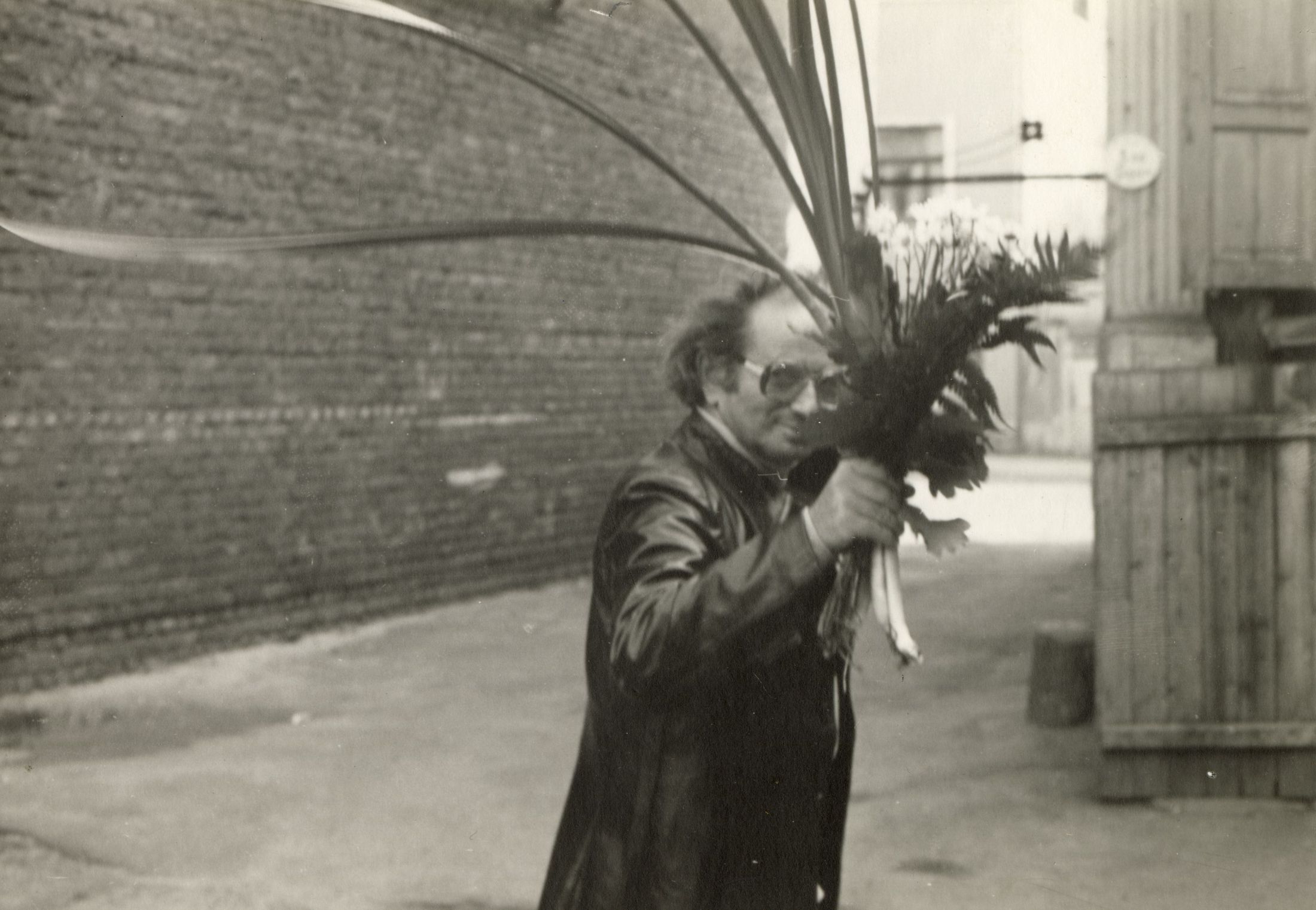
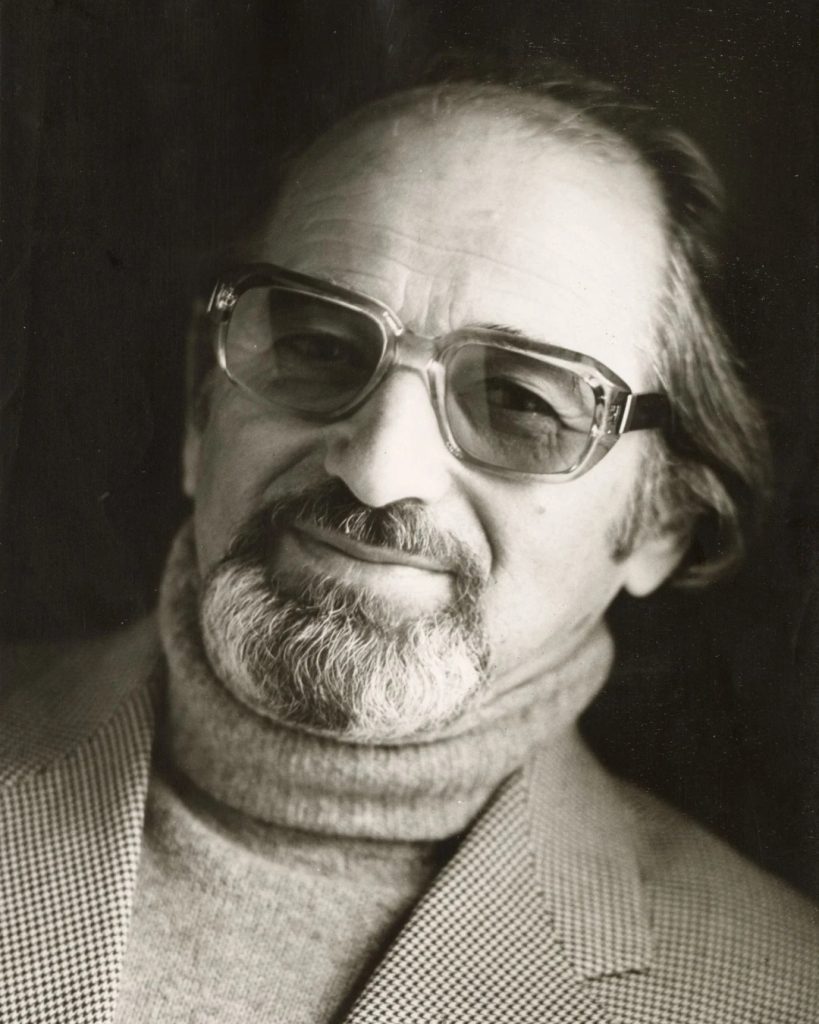
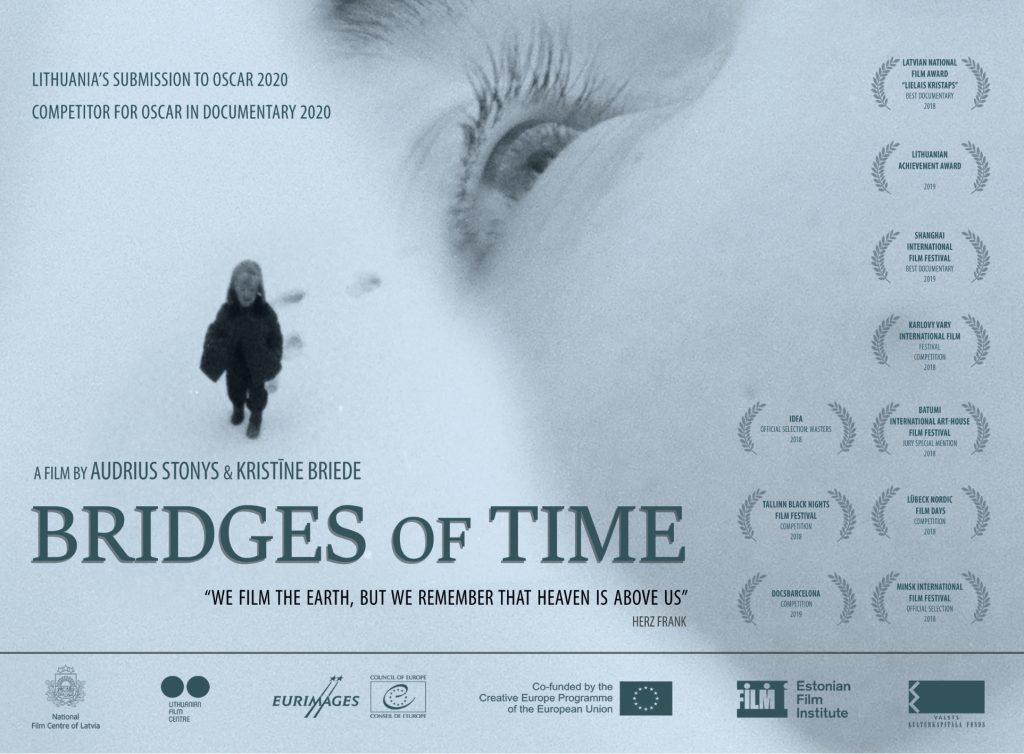
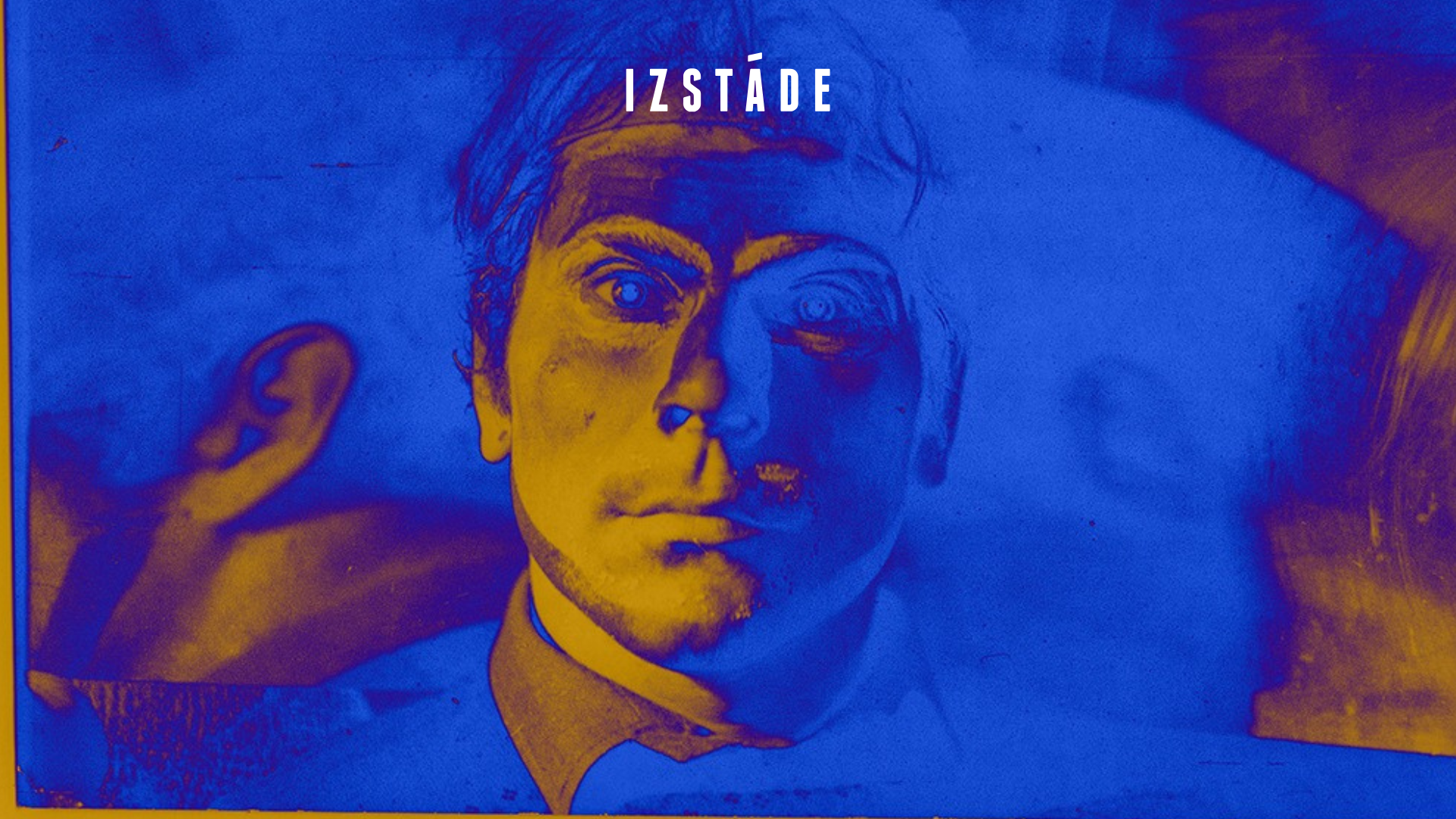
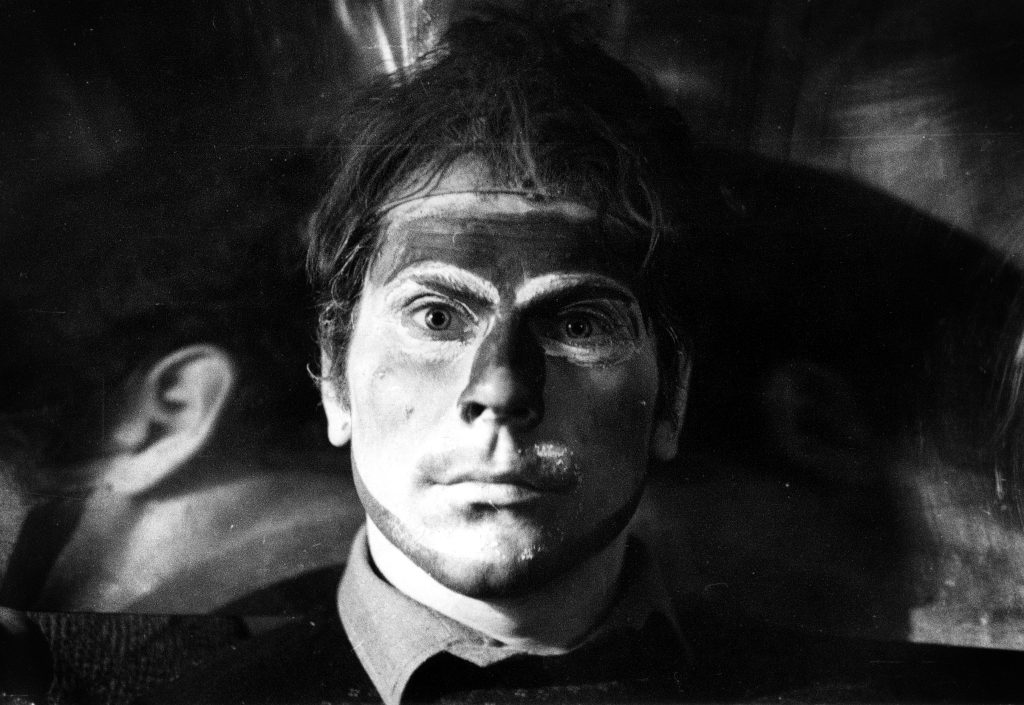
Director HERZ FRANK – 100! We invite you to celebrate the 100th anniversary of director Herz Frank at the National Film School of the Latvian Academy of Culture (Miera iela 58a) on January 16, 2026, at 5 p.m.!
Programme:
The film “Laika tilti” (“Bridges of time”, 2018, 78`) (trailer:https://ej.uz/LaikaTilti) and a conversation with the film’s directors Kristīne Briede and Audrius Stonis.
A conversation about the upcoming film “Hercs Franks. Life After Death” (director Audrius Stonis).
Moderated by director Jānis Putniņš.
The conversations will be held in Latvian and English!
Marking the 75th birthday of film director Juris Podnieks (1950–1992), the exhibition “PODNIEKS SPACE-TIME” has been created. It offers viewers the opportunity to immerse themselves in the life of Juris Podnieks, to feel, observe and reflect together with the director, to understand Podnieks’ time and events, and to get to know his like-minded friends and colleagues.
The exhibition was created within the framework of the SCCF target program Culturally Significant Events as part of the project The Year of Juris Podnieks. The project is coordinated by the Latvian Film Museum of the Latvian Academy of Culture in collaboration with the Juris Podnieks Studio. The exhibition is supported by the SCCF, Riga City Council, the Latvian State Archive of Audiovisual Documents, RIGA IFF and the Latvian furniture brand Nordi.
The author and curator of the exhibition is Anna Viduleja, the artist is Kristaps Epners, the 360° projection was made by Viktors Keino, the compilation and digitalization of materials was done by Sandra Alksne, the sound director is Ernests Ansons, and the producer is Antra Cilinska-Dombrovska.
In the summer of 2023, several boxes were found in the attic of Juris Podnieks’ relatives’ house containing Juris Podnieks’ photo negatives and slides, photographs, film reels, cassettes, and other materials. Digitizing these materials has yielded fantastic evidence of Juris Podnieks’ era, which, as interpreted by director Anna Viduleja and artist Kristaps Epners, can be seen by exhibition visitors as a grandiose moving panorama. The exhibition also features interviews with Juris Podnieks’ colleagues, recorded at various times.
Juris Podnieks began his professional career as a cameraman at the Riga Film Studio, shooting newsreels and documentary films. While working on Herc Franks’ film Forbidden Zone (1975), Podnieks obtained a cinematographers’ diploma from the All-Union State Institute of Cinematography in Moscow. Podnieks made his debut as a director with the thematic newsreel The Cradle (1977). Since the early 1980s, every film shot by Podnieks has become a significant artistic and social event. The film Is It Easy to Be Young? (1986) was seen by a record number of viewers – 43 million! Its influence can be measured not only in the context of Latvian cinema, but throughout the entire Soviet system, becoming one of the driving forces towards the end of the empire. It was Podnieks, together with his colleagues and like-minded people, who captured this in the films Soviets/Hello, do you hear us? (1989) and Homeland (1990), seeking new imagery for the era and opportunities for expression for people who were striving for freedom and independence.
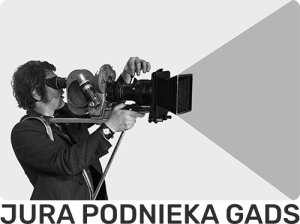
Juris Podnieks during the filming of The Stone of Sisyphus, 1985.This is the logo for the series of events dedicated to Juris Podnieks’ 75th anniversary in 2025.
A new name, new premises, and a new exhibition – from August 21, the Latvian Film Museum at Miera Street 58a opens with the exhibition Creating Worlds. Latvian Production Designers and Film Artists.
This year has brought several changes in the life of the Film Museum. The museum has a new, more fitting name – LATVIAN FILM MUSEUM. It is now located in new premises in Riga, at Miera Street 58a. From August 21, the Latvian Film Museum invites you to visit a new exhibition: Creating Worlds. Latvian Production Designers and Film Artists!
In the 21st century, the term art department has taken root in Latvia – it refers to professionals whose task is to create an environment that corresponds to the artistic vision of a specific film. The exhibition introduces visitors to often lesser-known, yet very important professionals – Latvian film artists: set designers, costume designers, make-up artists, special effects masters – and their contribution to the Latvian film industry.
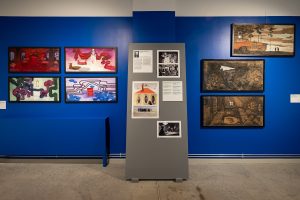
Creating Worlds. Latvian Production Designers and Film Artists covers the work of artists in Latvian cinema over more than 100 years – from the first feature film made in the Republic of Latvia, As I went to War / Es karā aiziedams (1920), to Latvian cinema works of the 2020s. The exhibition showcases unique testimonies of film history – sketches of sets, costumes, and make-up and their realization in films, technologies for creating special effects across different periods, replicas of environments from canonical Latvian films, and more.
The Latvian Film Museum invites you to visit its new exhibition, “CREATING WORLDS: LATVIAN FILM ARTISTS”!
❗Only till May 30 (including)!
In the 21st century, the term “art department” has become established in Latvia—it refers to professionals whose task is to create an environment that matches the artistic vision of a specific film. The exhibition will introduce often lesser-known but highly significant professionals—Latvian film artists—set designers, costume designers, makeup artists, and special effects masters—and their contributions to the Latvian film industry.
Creating Worlds: Latvian Film Designers and Film Artists spans more than a century of cinematic artistry in Latvia – from the very first feature film produced in the Republic of Latvia, Es karā aiziedams / As I Went to War (1920), to the film productions of the 2020s. Visitors will discover unique pieces of film history: original sketches of sets, costumes, and make-up alongside their on-screen realizations, technologies used in creating special effects across different eras, reconstructions of iconic Latvian film environments, and much more.
The exhibition features unique items—the wig worn by Vija Artmane as Julie Lambert in the film Teātris / Theater (1978), Rudolf’s (played by Romualds Ancāns) mustache from the film Rūdolfa mantojums / Rudolph’s gold (2010), and costumes—Maria’s coat from the film Marijs klusums / Maria’s Silence (2024) (costume designer Kristīne Jurjāne), Melānija’s dresses from the film Melānijas hronika / The Chronicles of Melanie (2016) (costume designer Ieva Jurjāne), and Eva’s dress from the film Wild East. Kur vedīs ceļš (2021) (costume designer Līga Krāsone); Original film set sketches by Uldis Pauzers, Gunārs Balodis, Jurģis Krāsons, Ieva Romanova, and other artists; a model of the set for Sarmīte’s Millennium Room from the film Tizlenes / Lame-os (2021) (artist Aivars Žukovskis), etc.
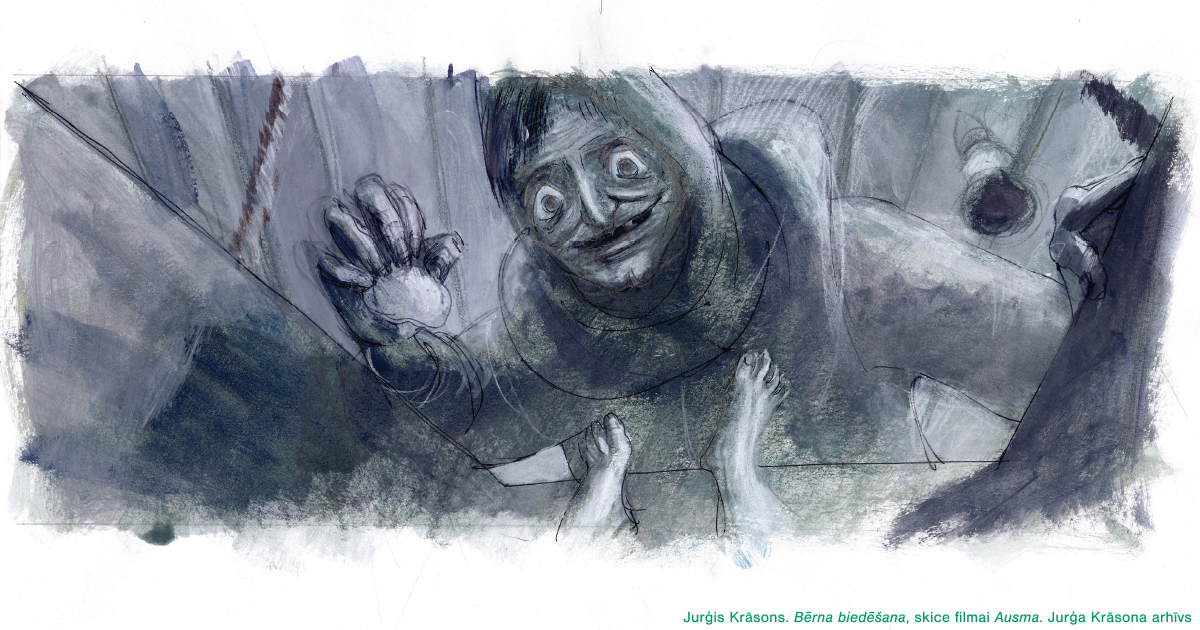
On the poster: Jurģis Krāsons. Scaring a Child, a sketch for the film Ausma (2015). Jurģis Krāsons personal Archive.
The Latvian Film Museum was founded in 1988 (at that time known as the Riga Film Museum). The Latvian Film Museum offers guided tours, animated film workshops, educational lectures, and events dedicated to film personalities and milestones.
Curator – Alīse Krilova, Designer/artist – Dace Džeriņa, graphic design – Mārtiņš Ratniks, video – Elizabete Gricmane, Dainis Juraga
Exhibition team – Juris Freidenbergs, Petra Glušenkova, Madara Lapiņa, Inga Pērkone, Didzis Ruicēns, Renāte Taurīte , Daniela Zacmane.
Exhibition construction – SIA “Advertising Studio”, SIA “Expert UP”
Supporters – Valsts kultūrkapitāla fonds, Artglass by Groglass, Riga Wood, SIA “Advertising Studio”
Loaned objects and digital copies – Latvijas Nacionālais arhīvs, LTV.lv, Kino centrs, Mazsalacas muzejs, studija “Deviņi”, Cinevilla Studio, EGO MEDIA, studija “Hargla”, Film Angels Productions, Kultfilma, Mistrus Media, studija “Picture House”, studija “Platforma Filma”, Red Dot Media, Trickster Pictures
In April, to honor the 90th anniversary of artist Ināra Antone, we published several of her works on our social media: Facebook hashtag #filmumākslinieki
In the photo:
Uldis Pauzers (1933–1982), set design sketch for the film “Ceplis” (1972, directed by Rolands Kalniņš)
From the collection of the Latvian Film MuseumFoto: Inese Kalniņa
On Wednesday, December 11, at 18:00, a selection of Ukrainian short films will be screened as part of the series “Dissociative Fugue: Conversations of Ozoliņa” at the LKA Riga Film Museum. The event will feature a conversation with director Oleksandra Petlovana about the war as a dividing line between cinema before and after its onset, the diverse fates of young filmmakers, and filmmaking as a form of support for Ukraine.
The program includes three Ukrainian short films created by Oleksandra Petlovana, Maksym Tuzov, and Anastasiia Lukova, who are classmates and graduates of the Kyiv National I.K. Karpenko-Kary Theatre, Cinema, and Television University. These films were completed shortly before Russia’s full-scale invasion of Ukraine.
The selected short films—Pomana, Up and Down and The Righteous One—were part of a broader program of 16 Ukrainian short films, which have been showcased in special screenings across European cities, including Warsaw, Paris, and Prague. These screenings aimed to rally international support for Ukraine following the full-scale invasion.
Ieva Ozoliņa: “The unifying element in all three short films made in 2021 is the presence of magical realism and a belief in unseen forces, which serve as a constant reminder that one must first and foremost be strong in spirit. While the films do not directly address the war and are created with a touch of irony, their themes resonate profoundly with the realities of today.”
The films will be screened in Ukrainian with English subtitles. The post-screening conversation will be held in English. The event’s total duration is 1 hour and 30 minutes, and entrance is free of charge.
On September 22, 2024, Latvian film director and cinematographer Ivars Seleckis celebrated his 90th birthday! For seven of his nine decades, Ivars Seleckis has been making films, and he continues to do so — the premiere of his film ‘To Be Continued. Teenhood’ took place on the master’s birthday.
The exhibition is an insight into the diverse work of Ivars Seleckis (film director, cinematographer, and curator of the cinema events). It tells the story behind his films and their production process, introduces to the film’s themes and characters. Unique prizes and memorabilia (the majority of which are being displayed publicly for the first time,) reveal the significance of the director’s films and their impact on both Latvian and global culture scene. Amidst the exhibits, there is also one of the most prestigious – the European Film Academy Award ‘Felix’ for the Best Documentary Film of the Year, ‘Crossroad Street’.
One can learn about other members of the Selecki family who have worked or still work in the field of Latvian cinema – editing director Maija Selecka, cinematographer Andris Seleckis, and director Marta Selecka…
You are welcome to Riga Film Museum in Old Riga before it is moving to new premises in the Autumn!
There are currently several exhibitions to see in the Museum. The permanent exhibition “Behind the Screen” invites one to come to the other side of the screen. The mini-exhibition “Secrets of Ada Neretniece” (film director Ada Neretniece 100) was created in honor of film director Ada Neretniece. In her more than forty-year career, the director has made 18 full-length feature films (including the film “Pieviltie”, 1961, together with co-director Māris Rudzītis) and one short feature film, but she started her directing career by creating newsreels (more than 40 from 1949-1962), also filmed documentaries and so called commissioned films. The mini-exhibition presents photos from the filming and personal archive. The exhibition also includes documents that were an important part of the bureaucracy of the Soviet regime, such as diplomas, letters of appreciation, characteristics, autobiography, etc.
The exhibition “Ieva’s Room” is an improvised insight into the main arcs of the life of film artist Ieva Romanova. Here one can get to know about Romanova’s work at the film artistic space (Ieva Romanova is an artist for such films as Aveņu vīns (1984), Dzīvīte (1989), Bille (2018)), get acquainted with her work in the Latvian Cinematographers Union and as a museum artist – especially with Latvian exhibitions of the Riga Film Museum, dedicated to the history of cinema.
See you in the Museum (entrance from Alksnāja Street)!
Welcome all film nerds! It is now possible to follow us on Letterboxd for info on Riga Film Museum’s activities and captivating trivia about Latvian film history. Our profile is gonna have information in both Latvian and English, so don’t hesitate to give us a follow!
› From the 1st of March when visiting Riga Film Museum of Latvian Academy of Culture, the visitor:
uses a medical face mask or FFP2 respirator correctly, covering the nose and mouth, throughout the visit;
keeps a distance of 2 meters from other visitors.
› Educational programs, workshops and guided tours are being organized. While attending events it is mandatory to use a medical face mask or an unvalved respirator. It must be worn throughout the event. Children between the ages of 7 and 11 can wear fabric masks.
› It is forbidden to visit the museum if you have symptoms of a respiratory infection, or if you must be in self-isolation, home quarantine or strict isolation.
› Our employees are provided with personal protective equipment. Museums’ premises and surfaces are regularly cleaned and disinfected. Alcohol-containing hand disinfectants are available at the museum entrance.
› We invite you to make contactless payments or use bank cards.
› More information: E: kinomuzejs@kinomuzejs.lv; T: +371 6735 8873
Riga Film museum will be closed for visitors from June 23 – June 26, and we’ll be happy to see you back at the museum starting from Tuesday, June 29. On the day before the holidays (June 22) the museum will be open until 5pm.
Happy holidays!
Subscribe to our newsletter!
Manage Consent
To provide the best experiences, we use technologies like cookies to store and/or access device information. Consenting to these technologies will allow us to process data such as browsing behavior or unique IDs on this site. Not consenting or withdrawing consent, may adversely affect certain features and functions.
Functional
Always active
The technical storage or access is strictly necessary for the legitimate purpose of enabling the use of a specific service explicitly requested by the subscriber or user, or for the sole purpose of carrying out the transmission of a communication over an electronic communications network.
Preferences
The technical storage or access is necessary for the legitimate purpose of storing preferences that are not requested by the subscriber or user.
Statistics
The technical storage or access that is used exclusively for statistical purposes.The technical storage or access that is used exclusively for anonymous statistical purposes. Without a subpoena, voluntary compliance on the part of your Internet Service Provider, or additional records from a third party, information stored or retrieved for this purpose alone cannot usually be used to identify you.
Third-party cookies
The technical storage or access is required to create user profiles to send advertising, or to track the user on a website or across several websites for similar marketing purposes.